


Prostatitis is inflammation of the prostate tissue.Today, it is the most common urinary tract disorder, primarily affecting sexually active men.According to various data, among patients aged 20-40 years old, the prevalence rate of chronic prostatitis is 20-35%.Furthermore, this diagnosis in conjunction with benign prostatic hyperplasia is increasingly seen in the elderly population.
Lack of timely and effective treatment can lead to complications such as erectile dysfunction and infertility.
Types of prostatitis
The classification used today is based on the division of all types of prostatitis, depending on the presence of infectious pathogens, the presence of leukocytes in the prostate secretions, and the clinical manifestations.According to reports, prostatitis can be divided into 4 categories, each category has specific symptoms:
| Classification of prostatitis | logo | Prevalence |
|---|---|---|
| acute bacterial | 1. Frequent urination and burning sensation. 2. Difficulty urinating with pain. 3. Pain on palpation in the lower abdomen. 4. Pain on palpation of the prostate. 5. There are a large number of white blood cells, bacteria and mucus in the urine. 6. High body temperature and feeling unwell. |
up to 5% |
| chronic bacterial | Symptoms are the same as those of acute bacterial infection, but are less obvious and lack systemic manifestations and purulent content in the urine.There may also be blood in the semen, pain in the perineum and testicles, and a large number of white blood cells in the semen and prostate secretions. | 5–10% |
| Chronic non-bacterial (inflammatory, non-inflammatory) | Signs are the same as in the previous categories, but no microorganisms are detected in prostate secretions, urine, or semen.In the noninflammatory variant, leukocyte concentrations in prostatic secretions, semen, and urine may not increase. | 80–90% |
| asymptomatic inflammation | There are no clinical manifestations.Inflammatory processes are observed in urine, semen, and prostate secretions. | unknown |
Signs and symptoms of prostatitis
Symptoms of prostatitis can be laboratory and clinical.In the first case, characteristic changes are detected in the general analysis of blood, urine and prostate secretions.Clinical signs refer to the symptoms that accompany the disease.
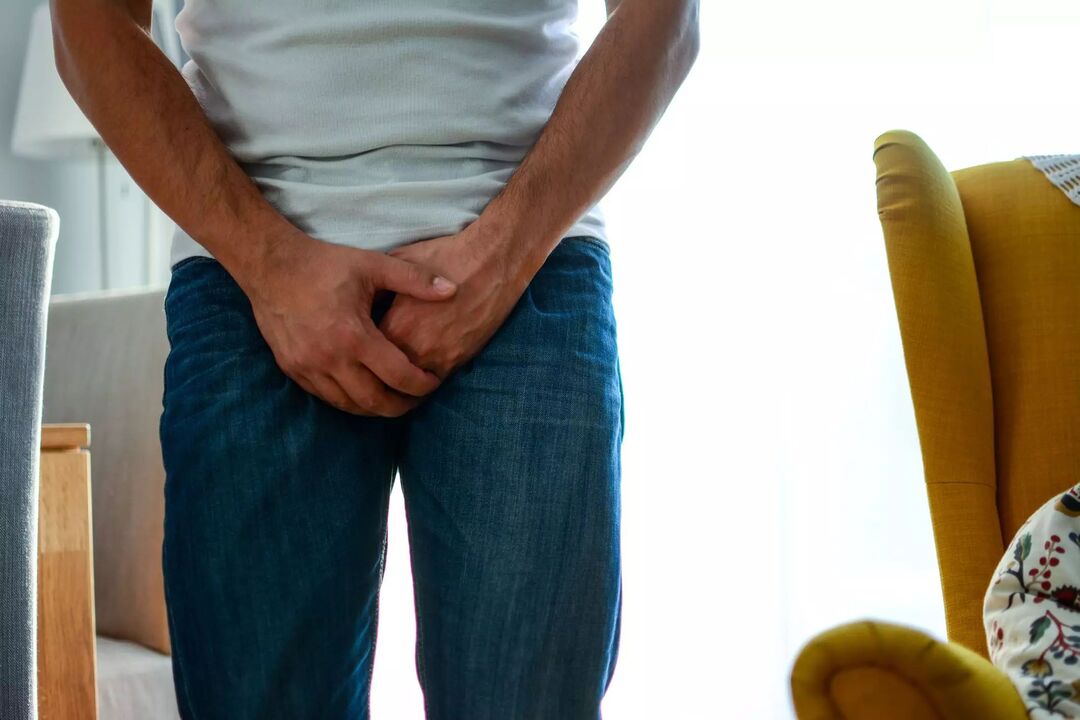
These include:
- Increased body temperature.
- Perineal or lower abdominal pain.
- Frequent urination.
- Presence of blood in urine or semen.
- Pain during urination.
Depending on the type of prostatitis, the severity of symptoms may vary.In the acute form, the first symptoms of prostatitis in men appear suddenly, which becomes a reason to consult a doctor.In contrast, chronic prostatitis is asymptomatic and is only felt when the condition worsens.The first signs of worsening chronic prostatitis are perineal pain and urinary disturbances, manifested by slow urine flow and an inability to urinate even with a strong desire.If left untreated, the disease can lead to complications in the form of erectile dysfunction, ejaculation problems, and infertility.
diagnosis
With chronic prostatitis, the symptoms of the disease can vary widely.Most commonly, patients experience 4 main symptoms:

- pain.Typically, the chief complaint is lower abdominal, perineal, sacral, and genital pain.It can occur at rest and during exercise.
- Difficulty urinating.Patients may notice frequent or difficult urination, thin or slow urine flow, sudden urges to urinate, and incomplete bladder emptying.
- sexual.It is characterized by a violation of validity.Some scientists link this to pathological hyperexcitability of prostate nerve endings, caused by long-term inflammation.
- reproduction.Not only does it hinder sperm formation, it can also lead to reduced ejaculation volume and changes in the composition of prostate secretions.

Some authors believe that reproductive and sexual syndromes have become increasingly common in recent years.
In addition to subjective complaints, digital rectal examination of the prostate is important.It is important to assess the shape, border condition, consistency, condition, and presence of pain of the seminal vesicles.
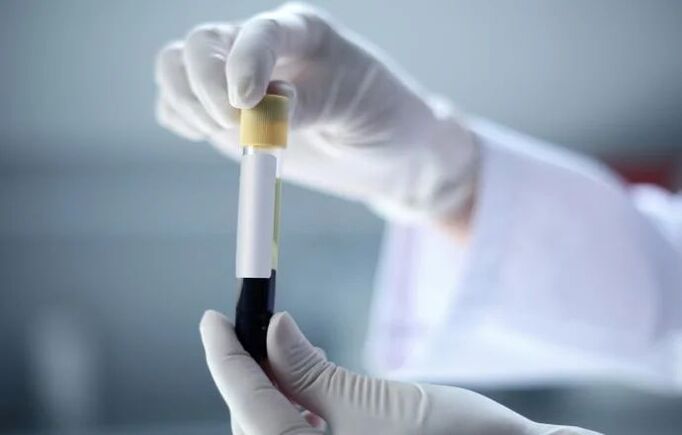
Laboratory tests for prostatitis may include:
- General blood and urinalysis.
- Microscopic examination of prostate secretions or urine.
- Bacteriological examination of urine or prostate secretions.
- PCR testing for sexually transmitted infections.
- Uroflowmetry and residual urine determination.
Laboratory data can accompany instrumental studies, including ultrasound, CT, MRI, and more.
How to Treat the Symptoms of Prostatitis

Symptom management is just one area of treatment.It also aims to restore normal prostate function and prevent complications.
For bacterial prostatitis, the treatment plan includes antibacterial drugs that eliminate the pathogen.In this case, there are direct causes that may affect inflammation.Treatment options are always chosen individually after a thorough examination and final diagnosis.
One of the most commonly used drugs for the treatment of chronic nonbacterial prostatitis is prostate extract, which has organotropic effects on the prostate.
Prostate extract helps reduce swelling, reduce inflammation and improve secretory function, increasing bladder muscle tone.The drug also helps improve microcirculation in the prostate tissue, reduces the risk of thrombosis in small blood vessels, reduces pain, restores urination and normalizes sexual function.
openfirst stageFor treatment, prostate extract is prescribed in the form of suppositories and is usedsecond stagePills are used for treatment.besidesenhanced formThe drug contains twice the active ingredient compared to traditional suppositories.Because of this diversity, doctors can take a personalized approach to prescribing treatments for each patient.